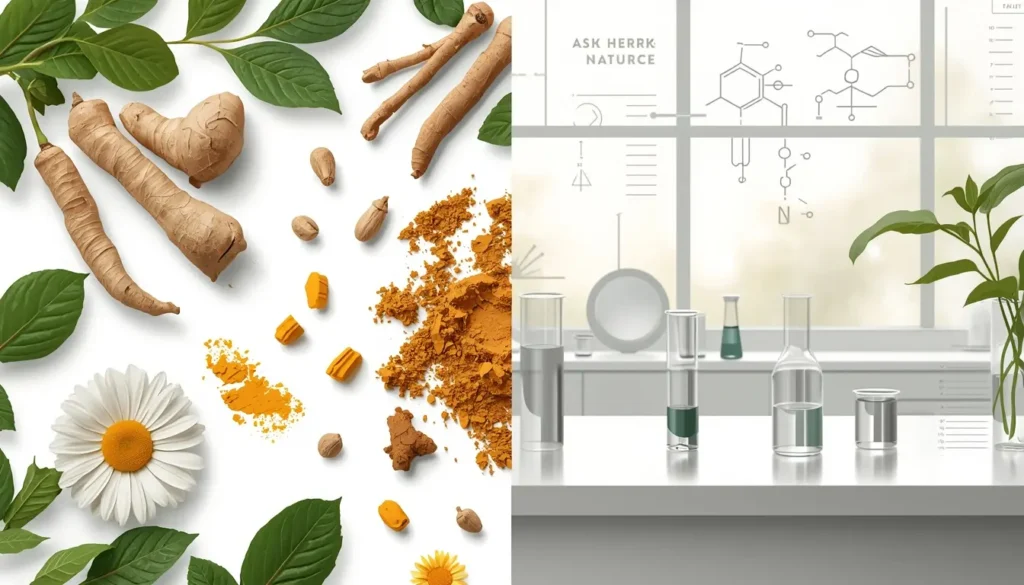
Nature and science need not be rivals. Herbs are part of human health for ages. Today, science studies them more than ever. Herbal supplements pull time tested plant wisdom into modern labs. Many people use them to boost energy, calm stress, ease aches, or fill gaps in their diet. But not all herbs are equal. Some have solid evidence. Others need more study. And safety matters. This post walks you through the evidence, the risks, and how to use herbal supplements with care.
Why herbal supplements are back in the spotlight
People want simple and preventive ways to stay well. Interest in plant based health has climbed since the pandemic. Markets reflect that thirst: sales and demand keep growing as more people look for natural options. Industry reports show the herbal supplements market rose strongly in 2024 and is forecast to grow further in 2026.
How science tests a traditional remedy
Scientists test herbs the same way they test any medicine: lab studies, animal work, and then human trials. Not every herb passes all steps. But we now have good trials for several popular botanicals. Meta analyses, studies that pool many trials, give the clearest view of whether an herb really works.
Evidence you can trust, and what it says
Ashwagandha – stress, sleep, and focus
Ashwagandha (Withania Somnifera) has the strongest, most consistent clinical signal for stress and sleep support. Multiple randomized trials and pooled analyses show reduced perceived stress and lower cortisol versus placebo. People also report better sleep and mood, though studies tend to be short.If you’re looking for a botanical to ease daily stress, ashwagandha is one of the better studied options.
Turmeric / Curcumin – inflammation and joint comfort
Curcumin, the active part of turmeric, shows anti-inflammatory effects in many trials. Meta analyses report modest improvements in inflammation markers and some chronic conditions. Still, results vary by formulation and dose. Curcumin is poorly absorbed on its own; many products use enhanced forms to raise blood levels. Those forms can be helpful, but they may also change safety profiles, so caution is wise.
Common themes across herbs
- Benefits are often modest. Herbs can nudge symptoms, not erase disease.
- Formulation matters. Whole herb, extracts, and enhanced forms can act very differently.
- Dosing and duration vary. Trials use many doses and time frames; follow evidence based product directions when available.
Safety: the headline you must read
“Natural” does not mean harmless. In recent years, regulators and news outlets have flagged safety issues. The U.S. FDA and state agencies have issued recalls and warnings for some products due to contamination, adulteration, or toxic ingredients. Investigations have found lead, arsenic, and sometimes the wrong plant species in supplements. In other cases, high dose or enhanced formulations have been linked to liver injury. This is why safety checks and a clinician’s guidance matter.
How to choose herbal supplements safely
Check for third party testing. Look for seals from independent labs (USP, NSF, or equivalent). This reduces the risk of contamination and verifies label claims.
Pick evidence backed herbs for the issue you care about. Use herbs that have human trials for your goal (e.g., ashwagandha for stress).
Mind interactions. Herbs can change how drugs work (blood thinners, antidepressants, and diabetes meds). Ask a pharmacist or doctor if you take medicines.
Start low, watch signs. Take the lowest effective dose. Stop and seek care if you get jaundice, severe stomach upset, rash, or new symptoms.
Avoid mega doses from social media claims. Higher doses don’t always mean better results, they can mean harm.
Practical ways herbal supplements can fit into everyday wellness
- For stress: Try ashwagandha as part of a broader routine , sleep hygiene, movement, and breaks from screens. Evidence supports modest stress relief.
- For joint comfort: Curcumin can complement lifestyle steps like weight management and exercise. Pick a formulation with proven absorption.
- For sleep and calm: Some herbs (chamomile, valerian) have traditional uses. Evidence is mixed, but they can help mild, transient sleep problems for some people.
- For daily nutrient support: Whole food based supplements or mild herbal blends can fill gaps if your diet lacks variety. But they are not substitutes for good food.
The bigger picture: regulation, research, and trust
Governments and research bodies are taking supplement quality and safety more seriously. NIH’s Office of Dietary Supplements funds research and provides fact sheets to help clinicians and consumers assess evidence. At the same time, watchdogs and public health agencies report recalls and warnings when problems arise. Together, research and regulation aim to lift standards and protect people, but gaps remain. Always use reliable resources and stay alert to recalls or new safety advisories.
Questions to ask on a product label
- Does the brand show a third party test seal?
- Is the botanical name listed (e.g., Withania Somnifera) and the extract standardization?
- What is the dose per serving, and how many servings per day?
- Are there cautions about pregnancy, liver disease, or drug interactions?
- Is the brand transparent about where ingredients were sourced?
A quick evidence checklist before you buy
- Human trials? Yes / No.
- Meta analyses or systematic reviews? Yes / No.
- Clear dosing in trials? Yes / No.
- Third party testing? Yes / No.
- Recent safety recalls or warnings? Yes / No.
Final takeaways: practical, not preachy
Herbal supplements can add gentle support to daily wellness. Some botanicals, like ashwagandha and certain curcumin formulations, have decent clinical backing. But benefits are usually modest, and safety is not guaranteed. Use evidence backed products, check for independent testing, watch for interactions, and consult your healthcare provider if you have health conditions or take medicines. When nature meets rigorous science, and careful regulation, herbal supplements can play a useful, sensible role in a healthy life.

 Partner
 Grandparent
 Uncle/Aunt
 Sibling
 Friend