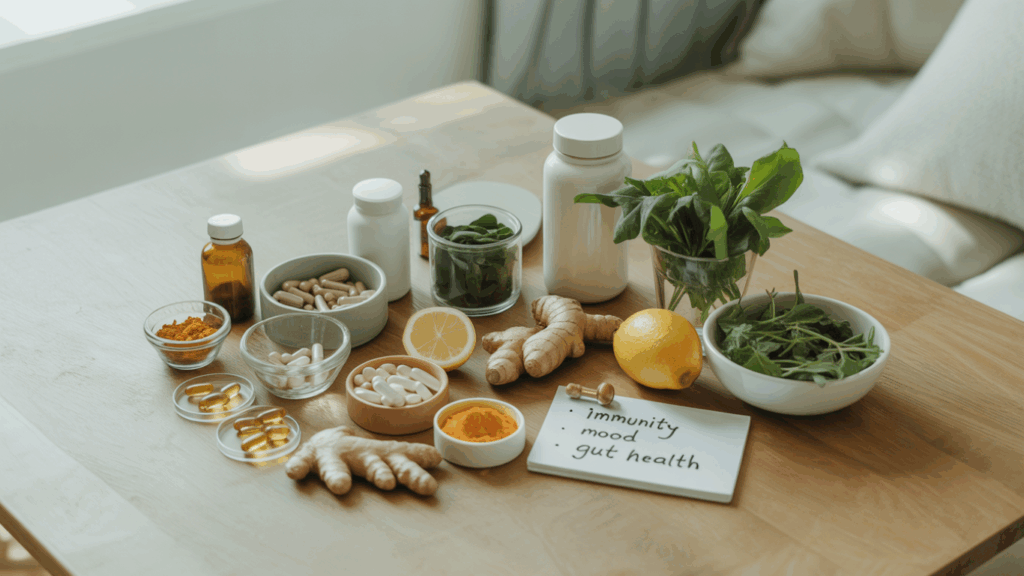
The wellness aisle used to be simple. You grabbed vitamin C for a cold and maybe a multivitamin for “insurance.” That world is gone. You want to feel better. Not just for a day, but for months and years. Supplements can help, when chosen well.
But with thousands of bottles vying for your attention, how do you separate the science from the snake oil?
This guide is your roadmap. We will move beyond the hype. We will explore how to pick safe, effective, and high quality tools for your health.
The Shift: Why “Just Surviving” is Out?
For years, we took supplements out of fear. We feared getting sick. We feared aging.
Now, we take them for optimization.
Recent data shows a massive surge in supplements for mental wellness. Anxiety and stress are the new battles. People are turning to nature to fight back. We see a rise in “adaptogens,” herbs that help your body handle stress. We see a focus on the “gut brain connection.”
You are not just buying a pill; you are buying a feeling. You want to feel capable. You want to feel at peace.
However, this boom brings risk. New brands pop up overnight. Some are brilliant. Others are dangerous. Choosing the right natural supplements requires a keen eye and a bit of knowledge.
Why natural supplements matter and what they can’t do
Supplements fill gaps. They can support immune health, mood, sleep, and gut balance. But they are not magic pills. Real health starts with food, sleep, exercise, and stress care. Think of supplements as smart bolts on a well-built car, useful, but not the engine.
Regulators treat supplements differently from drugs. That means quality and claims vary by brand and market. Know the rules where you live and favour reputable makers.
How supplements help immunity and balance?
Some natural compounds have solid evidence behind them. For example, vitamin D plays a role in immune regulation and may lower viral replication and inflammation. But dosing matters and too much is risky. Use blood tests if you plan high dose therapy.
Omega 3 fatty acids show promise for brain health, mood, and even markers of aging in new trials. Results are mixed, but recent large trials suggest modest benefits when omega 3s are part of a healthy routine.
The gut matters more than we once thought. Gut microbes affect mood, inflammation, and how we use nutrients. Probiotics and prebiotics can help some people, especially after antibiotics or with specific gut issues. Evidence for mental health benefits is growing but varies by strain and dose.
Start with a snapshot: tests, diet, and goals
Before you buy anything, pause and ask:
- What is the one thing I want to change? (energy, sleep, immunity, mood)
- What is my diet like? Do I eat few veggies or little oily fish?
- Do I have a medical condition or take drugs that might interact?
Where it helps, get simple tests: vitamin D level, iron studies, thyroid screen. Tests help you take only what you need.
A simple six step method for choosing the right natural supplements
- Name one clear goal. Vague goals create clutter. Say “improve sleep” not “feel better.”
- Check the evidence. Look for human trials, not just lab claims. Meta analyses and reputable health bodies matter.
- Pick one or two supplements at a time. Don’t reload your cabinet every week.
- Choose quality brands. Look for third party testing (USP, NSF, or equivalent).
- Watch dose and duration. More is not always better. Follow label guidance or a clinician’s plan.
- Track results. Keep a simple diary for four to twelve weeks. Note energy, sleep, mood, and any side effects.
Reading labels: what really matters?
Labels can be confusing. Focus on:
- Active ingredient and dose (not proprietary blends that hide amounts).
- Form (e.g., vitamin D3 vs D2; methylfolate vs folic acid).
- Serving size and total daily dose.
- Warnings and interactions.
- Third party testing seals.
If a product promises to “cure” disease, avoid it. Legit supplements support health; they don’t treat illness like medicines do.
Safety first: interactions and side effects
Natural does not equal safe for everyone. High doses of vitamin D can cause harm. Fish oil can thin the blood in high amounts. Always consider interactions with prescription meds. When in doubt, ask a pharmacist or doctor.
Supplements by goal — practical choices and notes
For immunity
- Vitamin D — check level first. It supports immune cells and reduces inflammation in some studies. Avoid high doses without testing.
- Vitamin C — helps in low status and during acute stress. Not a preventive cure.
- Zinc — useful short term for colds in some trials. Long term high doses can cause issues.
For mood and brain health
- Omega 3 (EPA/DHA) — linked to brain health and mood support. Recent trials show modest gains on some measures. Quality and dose matter.
- B vitamins — help when you are deficient or under chronic stress.
For gut and inner balance
- Probiotics — strain matters. Some strains help IBS or post antibiotic recovery. Evidence for mood is promising but mixed.
- Prebiotic fibres — feed your good bacteria. Often safer and useful long term.
How to judge evidence quickly?
- Prefer randomized controlled trials and meta analyses over single studies.
- Check reputable sources (national health bodies, peer reviewed journals).
- Beware strong claims based only on lab or animal research.
- Look for consistency: do many studies point the same way?
If you want a quick check, search for the ingredient plus “systematic review” or “meta analysis” and add the year filter for recent work.
Quality markers to look for
- Third party testing (USP, NSF, ConsumerLab).
- Full disclosure of ingredients with mg per serving.
- Clear manufacturing location and contact info.
- Good reviews from clinicians or verified labs.
Avoid brands that hide their sourcing, or those that use vague “proprietary blends.”
Real talk: cost, expectations, and timeframes
Supplements can be costly. Set a budget. Expect to try one product for 6–12 weeks to see effects. Small gains are normal. If something sounds too good to be true, it usually is.
When to talk to a pro
- If you take blood thinners, immune drugs, or many prescriptions.
- If you are pregnant, breastfeeding, or planning pregnancy.
- If you have liver, kidney, or autoimmune disease.
- If you plan high dose use of vitamins or herbal extracts.
A short consult with a registered dietitian or pharmacist can save money and prevent harm.
Quick checklist: Choose smart in under 5 minutes
- State your goal in one line.
- Check for third party testing.
- Read the active dose per serving.
- Search for one recent clinical trial or meta analysis.
- Start low and track effects.
Recent news and why it matters
Regulatory updates and new trials shape what experts now recommend. For example, regulators in major markets continue to stress that supplements are not drugs and that quality can vary; that means consumer vigilance still matters.
New clinical work on omega 3s and aging, plus fresh reviews on vitamin D and the gut brain axis, push the field toward smarter, targeted use rather than blanket, daily mega doses. These studies suggest modest gains when supplements pair with good sleep, activity, and diet.
Final words, a human approach
Choosing the right natural supplements is not about buying the most expensive bottle. It is about buying the right molecule for your unique biology. It is about sourcing. It is about safety.
Health is not a destination. It is a daily practice. It is the small choice to support your body, day after day. When you choose quality over hype, you build a foundation that lasts. You move from simply fighting illness to cultivating a deep, resilient inner balance.

 Partner
 Grandparent
 Uncle/Aunt
 Sibling
 Friend